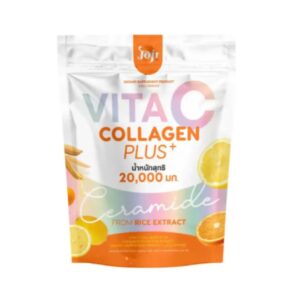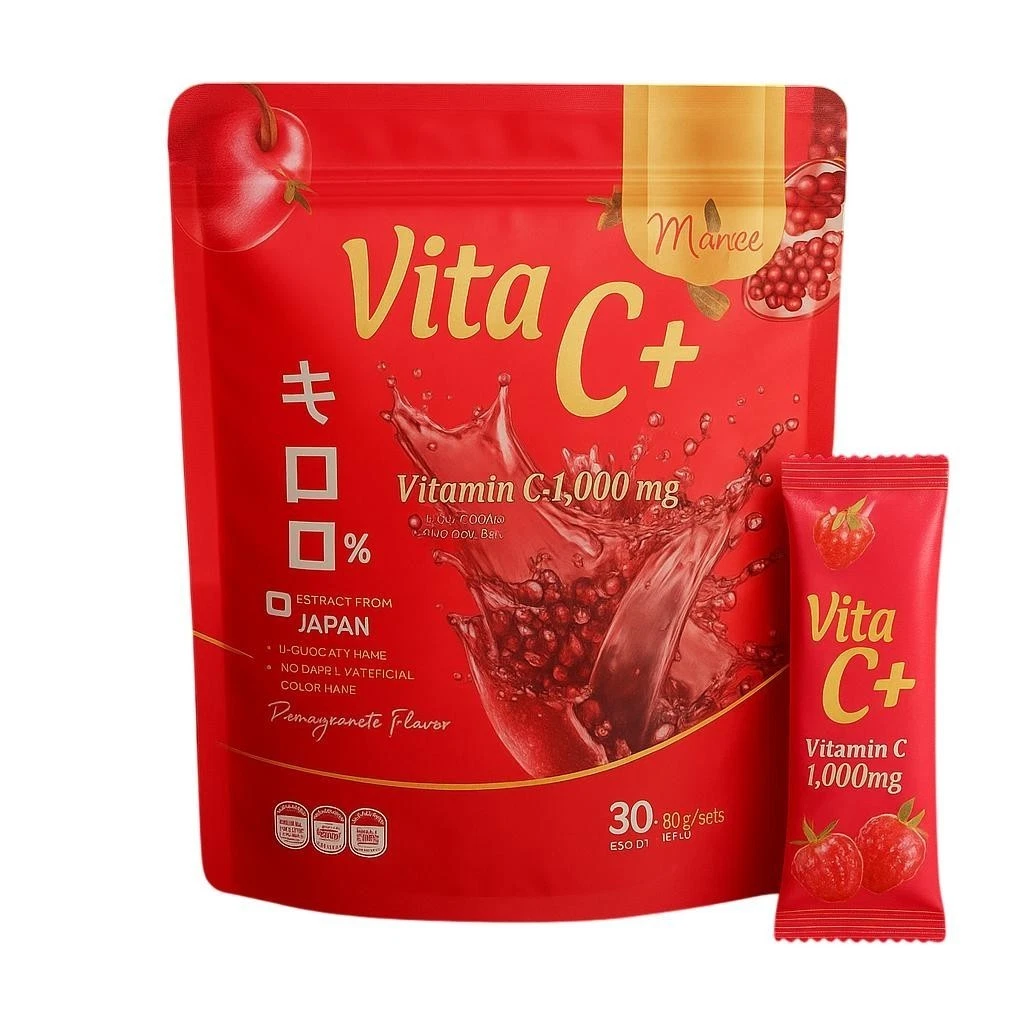
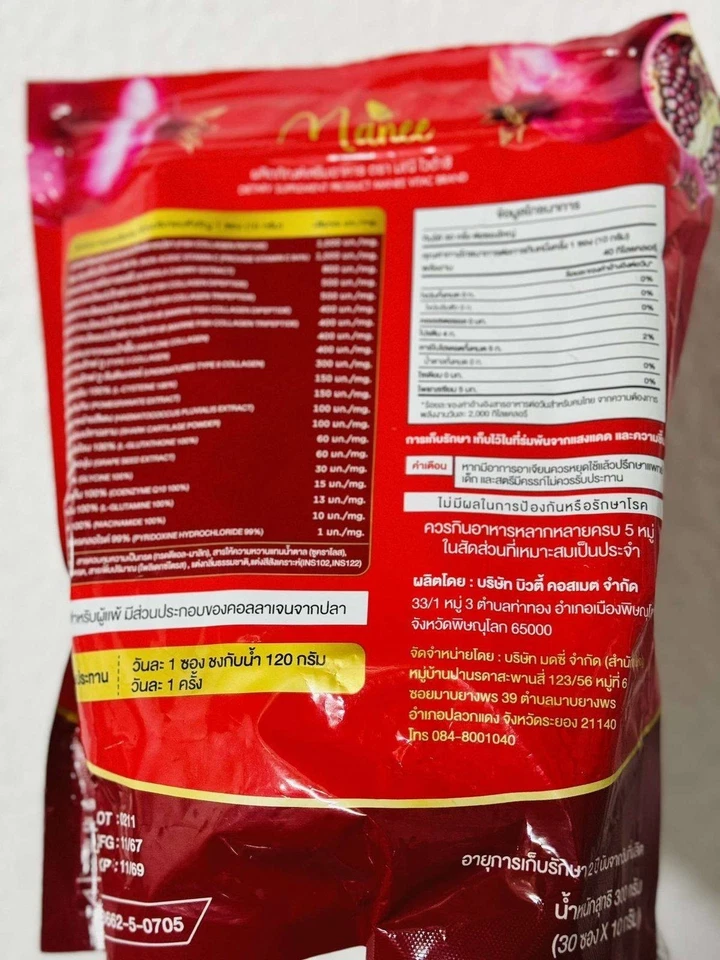
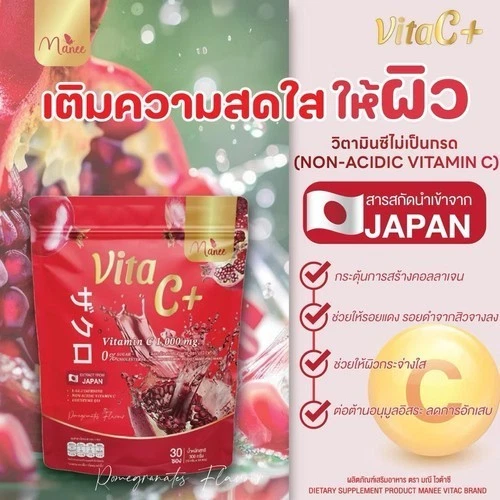
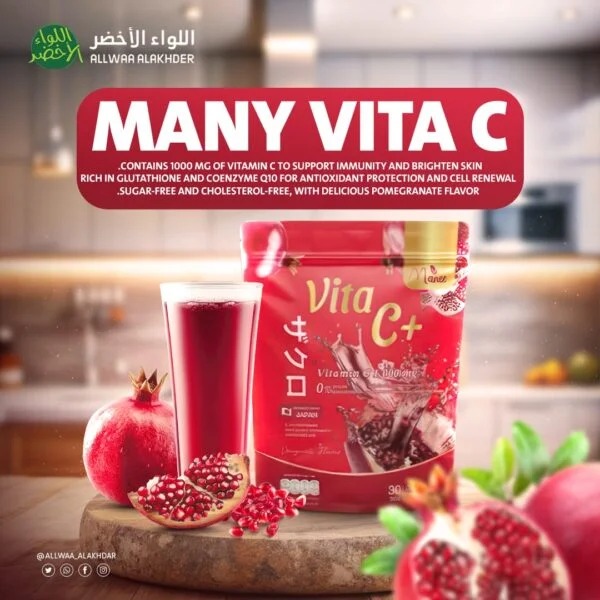
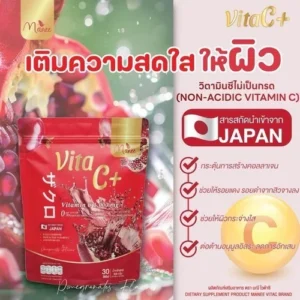
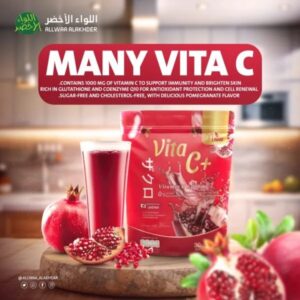
Product details of
-
Vitamin C (1000 mg): Essential for the growth and repair of tissues, Vitamin C is involved in collagen formation, iron absorption, and the maintenance of cartilage, bones, and teeth. It also supports the immune system.
-
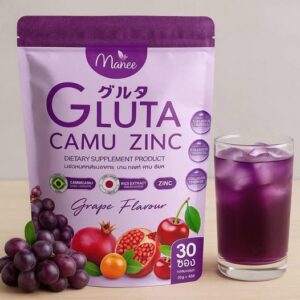
Zinc (10 mg): An essential mineral that supports immune function, protein synthesis, wound healing, DNA synthesis, and cell division.
-
Sugar-Free: Suitable for individuals monitoring their sugar intake.
-
No Added Preservatives: Free from unnecessary additives, ensuring a pure supplement.
-
Orange Flavor: Provides a refreshing taste, enhancing the supplement experience.
-
Usage Instructions:
-
Dissolve one tablet in a glass of water daily or as directed by a healthcare professional. This effervescent form ensures quick absorption and a pleasant drinking experience.
-
Keep out of reach of children.
-
Not suitable for children under 12 years old.
-
Consult a healthcare professional before use if pregnant, lactating, or having known medical conditions.
-
Do not use if the safety seal is broken or missing.
-
Do not exceed the recommended daily intake.
-
Stop using if discomfort occurs and seek medical advice.
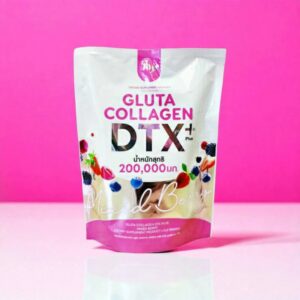
Here’s a general overview of what you can expect from a Vitamin C 1000mg supplement:
Key Information about Vitamin C (Ascorbic Acid):
-
Water-soluble Vitamin: Vitamin C is a water-soluble vitamin, meaning your body doesn’t store it. Excess amounts are typically excreted in urine. This is why daily intake is often recommended.
-
Antioxidant: Vitamin C is a powerful antioxidant, which means it helps protect your cells from damage caused by free radicals. Free radicals can contribute to chronic diseases and aging.
-
Collagen Production: It’s essential for the synthesis of collagen, a protein vital for healthy skin, blood vessels, bones, cartilage, gums, and teeth, and for wound healing.
-
Immune System Support: Vitamin C plays a crucial role in maintaining a healthy immune system. Some studies suggest it can help reduce the duration and severity of common colds, especially in individuals under extreme physical stress.
-
Iron Absorption: It enhances the absorption of non-heme iron (iron from plant-based foods), which is particularly beneficial for those with a primarily plant-based diet.
-
Other Potential Benefits: Research suggests potential benefits for managing blood pressure, lowering the risk of heart disease, preventing gout, and supporting eye health (like reducing the risk of cataracts and age-related macular degeneration).
Potential Benefits of a 1000mg Dose:
A 1000mg dose of Vitamin C is considered a high dose. While the Recommended Daily Allowance (RDA) for adults is much lower (e.g., 75mg for women, 90mg for men), higher doses are often taken for specific purposes, such as:
-
Boosting immunity during cold and flu season.
-
Supporting recovery during periods of high physical stress.
-
Addressing specific deficiencies or health concerns under medical guidance.
Important Considerations and Potential Side Effects:
-
Tolerable Upper Intake Level (UL): The established Tolerable Upper Intake Level (UL) for Vitamin C in adults is 2,000 mg per day. Exceeding this limit regularly can lead to side effects.
-
Digestive Issues: The most common side effects of high-dose Vitamin C are digestive discomfort, including diarrhea, nausea, stomach cramps, and heartburn. These are more likely with doses exceeding 2,000 mg at once.
-
Kidney Stones: In some individuals, particularly those prone to kidney stones, high doses of Vitamin C can increase the risk of oxalate kidney stone formation.
-
Iron Overload: While Vitamin C aids iron absorption, individuals with conditions like hemochromatosis (a disorder that causes excessive iron accumulation) should be cautious with high doses, as it could lead to iron overload.
-
Interactions with Medications: Vitamin C can interact with certain medications, including:
-
Aluminum-containing medications: May increase aluminum absorption, harmful for kidney problems.
-
Chemotherapy drugs: Potential concern that antioxidants like Vitamin C might reduce their effect.
-
Estrogen: May increase estrogen levels when taken with oral contraceptives or hormone replacement therapy.
-
Protease inhibitors: May reduce the effect of these antiviral drugs.
-
Statins and niacin: May reduce the effects of these cholesterol-lowering drugs.
-
Warfarin (Jantoven): High doses might reduce the effectiveness of this anticoagulant.
-